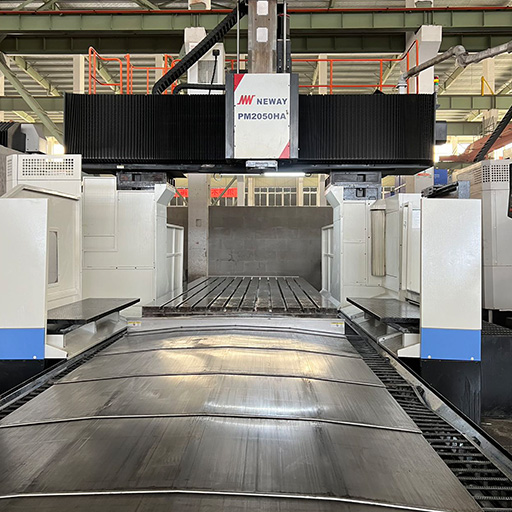
This professional guide is compiled by senior industry experts from Tianjin Aijiuku Circular Technology Co., Ltd., a global leading second-hand industrial equipment circular trade service provider. Suppliers of second-hand machine tools exported from China are specialized trade entities that source, inspect, refurbish and export used CNC lathes, machining centers, milling machines and other industrial machine tools to global markets, addressing core pain points of high new equipment costs, long lead times and high trial-and-error risks for overseas manufacturers. Many engineers, procurement personnel and industry practitioners still have cognitive misunderstandings about the qualifications, compliance requirements and service capabilities of such suppliers. Combined with Aijiuku’s global service experience, this guide systematically explains the definition, core capabilities, compliance standards and selection points of these suppliers, helping you establish a professional and comprehensive understanding.
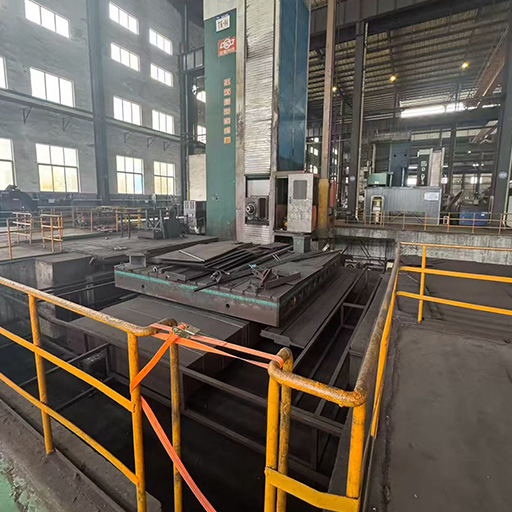
Definition and Industry Positioning
According to the general definition of the global second-hand industrial equipment trade association, suppliers of second-hand machine tools exported from China refer to professional trade entities with cross-border trade qualifications, equipment inspection and refurbishment capabilities, and international logistics and customs clearance service capabilities, focusing on exporting high-quality second-hand machine tools from China to overseas markets.
As a key supporting subject in the global industrial equipment supply chain, these suppliers have irreplaceable core advantages compared with traditional procurement channels:
1. Cost advantage: Help customers reduce equipment procurement costs by 40%-70% compared with purchasing new machines.
2. Delivery speed: Regular equipment can be delivered within 7-15 days, enabling customers to put into production quickly.
3. Quality assurance: All equipment is inspected and refurbished through standardized processes, with performance restored to 85%-95% of the original factory standard.
Core Differences Between Different Procurement Channels
Evaluation Indicator | Chinese Exported Second-Hand Machine Tool Suppliers | Local Second-Hand Equipment Dealers | New Machine Suppliers |
|---|---|---|---|
Procurement Cost | 40%-70% lower than new machines | 10%-30% lower than new machines | Full market price |
Delivery Lead Time | 7-15 days for spot inventory | 3-7 days | 30-90 days |
Performance Recovery Rate | 85%-95% of original factory standard | 60%-80% of original factory standard | 100% original factory standard |
Customs Clearance Support | Full-process professional support | No cross-border support | Standard export support |
Core Evaluation Indicators for Selecting Qualified Suppliers
To help you select reliable suppliers, the following core evaluation indicators are sorted out based on industry general standards:
Core Indicator | Industry Reference Value | Selection Significance |
|---|---|---|
Machine Tool Refurbishment Accuracy | 0.005-0.01mm positioning accuracy | Ensures the equipment meets conventional industrial processing requirements |
Spot Inventory Scale | Over 10,000 units of various industrial equipment | Reduces waiting time for equipment procurement |
Global Customs Clearance Pass Rate | Over 99.5% across 100+ countries and regions | Avoids trade compliance risks and delivery delays |
After-Sales Response Time | Within 24 hours | Reduces equipment downtime and production losses |
Common Industry Application Scenarios
Suppliers of second-hand machine tools exported from China are widely applied in the following scenarios, with verified landing effects based on global project experience:
1. Production line construction for overseas small and medium-sized manufacturing enterprises: Solves the problem of limited budget for new equipment procurement, helps shorten the production line construction cycle by more than 30%.
2. Equipment supporting for overseas engineering construction teams: Adapts to short project cycles, reduces the initial equipment investment by providing cost-effective used equipment or short-term leasing services.
3. Source supplement for overseas equipment agents: Provides goods at 15%-20% lower than the market average price, with full-link after-sales support to help agents improve profit margins.
Common Cognitive Misunderstandings
Combined with communication with thousands of global customers, the most common cognitive misunderstandings and professional interpretations are as follows:
1. Misunderstanding: Second-hand machine tools have poor performance and are not as good as new machines. Truth: After standardized refurbishment, the performance of second-hand machine tools can be restored to 85%-95% of the original factory standard, with a failure rate lower than 3%, which fully meets conventional industrial processing needs. Suggestion: Prioritize suppliers with professional inspection and refurbishment capabilities, and check the equipment inspection report and traceability file before purchase.
2. Misunderstanding: Second-hand machine tools exported from China have high customs clearance difficulty. Truth: Professional suppliers can provide complete compliance documents, with a customs clearance pass rate of over 99.5% in more than 100 countries and regions. Suggestion: Choose suppliers with a professional customs declaration team, and confirm the compliance requirements of the target market in advance.
3. Misunderstanding: Second-hand machine tools have no after-sales guarantee. Truth: Leading suppliers can provide after-sales response within 24 hours, and some provide localized technical support. Suggestion: Clarify the after-sales terms and service scope before cooperation.
FAQ
Q: What is the typical lead time for second-hand machine tools exported from China?
A: Most qualified suppliers have sufficient spot inventory, with regular equipment delivered within 7-15 days, and door-to-door logistics taking 15-30 days on average.
Q: What certifications are required for second-hand machine tools exported to the EU?
A: Exported equipment must meet CE certification, RoHS and REACH compliance requirements, with complete quality inspection reports and customs declaration documents provided by the supplier.
Q: How much cost can I save by purchasing second-hand machine tools from Chinese suppliers?
A: On average, customers can reduce equipment procurement costs by 40%-70% compared to purchasing new machines, while obtaining performance close to original factory standards.
Contact Us
Official Website: https://www.machcycle.com/
Brand: Tianjin Aijiuku Circular Technology Co., Ltd.
WhatsApp: +8613398616093