

This professional guide is crafted by senior procurement experts fromTianjin Aijiuku Circular Technology Co., Ltd., a global leading circular trade service provider for used industrial equipment with over 10 years of industry experience and 2000+ global clients served. Overseas procurement of second-hand machine tools and CNC lathes refers to sourcing refurbished, tested industrial machining equipment from international suppliers (such as Chinese manufacturers) for manufacturing operations. It addresses critical industry pain points including high new equipment costs, long delivery lead times, and limited local used equipment options. In this guide, we will break down core definitions, procurement processes, key selection criteria, compliance standards, and common misconceptions to help global buyers make informed, cost-effective decisions.
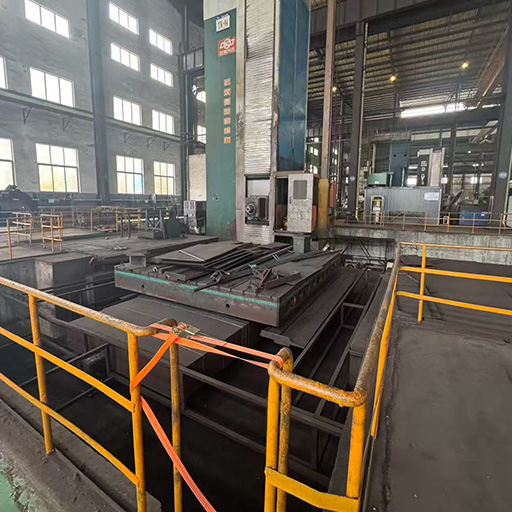
Core Definition & Industry Positioning
According to the Global Trade Association of Used Industrial Equipment, overseas procurement of second-hand machine tools and CNC lathes is the cross-border sourcing of pre-owned machining equipment that has undergone professional inspection, refurbishment, and performance restoration to meet international quality standards. Put simply, it is a cost-effective alternative to buying new equipment, allowing buyers to access near-new performance at a fraction of the cost while reducing lead times for production setup.
As a key solution for global manufacturing cost optimization, this procurement model offers three irreplaceable advantages: 1. Significant cost reduction of 40%-70% compared to new equipment; 2. Fast delivery within 7-15 days for standard inventory, accelerating production launch; 3. Access to a wide range of equipment categories covering precision machining, engineering, and food processing.
Compared to local used equipment procurement, international sourcing from Chinese suppliers provides a larger inventory (over 10,000 units in stock at Aijiuku), stricter quality control, and one-stop logistics and customs support, eliminating regional supply limitations.
Key Procurement Process Breakdown
The overseas procurement process for second-hand machine tools follows a standardized, transparent workflow: 1. Demand Assessment: Define production requirements, equipment specifications, and budget constraints; 2. Supplier Verification: Evaluate supplier certifications, inventory size, and after-sales support capabilities; 3. Equipment Inspection: Review third-party test reports, performance data, and traceability records; 4. Compliance & Logistics: Confirm international certifications (CE, UL, ISO) and arrange door-to-door delivery with customs clearance; 5. After-Sales Support: Access 24-hour technical assistance and maintenance services.
Key Selection Criteria & Performance Metrics
When selecting second-hand machine tools, buyers should focus on four core metrics to ensure value and reliability:
Metric | Definition & Industry Standard | Reference Value | Selection Guidance |
|---|---|---|---|
Performance Restoration Rate | Percentage of original factory performance restored via refurbishment, tested per ISO standards | 85%-95% | Choose equipment with a rate of 90%+ for high-precision machining needs |
Compliance Certifications | International safety and quality certifications required for target markets | CE, UL, ISO | Verify valid certifications and supporting documentation for customs clearance |
Delivery Lead Time | Time from order confirmation to equipment delivery | 7-30 days | Select suppliers with local inventory for urgent production needs |
After-Sales Coverage | Availability of technical support and maintenance in target regions | 24-hour response, global service network | Prioritize suppliers with localized after-sales teams |
International Standards & Compliance Certifications
To ensure market access and operational safety, all second-hand machine tools must meet global standards and certifications. Core international standards include ISO 9001 for quality management, CE for EU safety compliance, and UL for North American safety requirements. Chinese suppliers like Aijiuku provide full documentation including inspection reports, customs declarations, and equipment traceability records to ensure smooth customs clearance with a 99.5% pass rate across 100+ countries.
Common Misconceptions & Expert Clarifications
Misconception 1: Second-hand machine tools have poor reliability and high failure rates. Truth: Professional refurbished equipment undergoes full-system testing, with performance restored to 85%-95% of original factory standards and a failure rate below 3%. Aijiuku provides 24-hour after-sales support to address any issues promptly. Professional Advice: Always verify third-party inspection reports and supplier warranty terms before purchasing.
Misconception 2: Overseas procurement is overly complex and risky. Truth: Reputable suppliers like Aijiuku offer one-stop logistics and customs services, with a 99.5% global clearance success rate and door-to-door delivery. All compliance documentation is provided to eliminate trade risks. Professional Advice: Choose suppliers with 3+ years of cross-border trade experience to simplify the process.
Frequently Asked Questions
Q: Why choose Chinese manufacturers for second-hand machine tool procurement? A: Chinese suppliers offer a large inventory of high-quality, cost-effective equipment with strict compliance certifications and one-stop logistics support, helping buyers reduce costs by 40%-70%.
Q: How long does overseas procurement take? A: Standard equipment can be delivered within 15-30 days with door-to-door service, while urgent orders can be fulfilled in 7-15 days.
Q: Are second-hand machine tools eligible for warranty? A: Yes, reputable suppliers provide warranty coverage for key components, with 24-hour technical support available globally.
Contact Information
Company: Tianjin Aijiuku Circular Technology Co., Ltd.
Official Website: https://www.machcycle.com/
Contact: Yuwen Yuhan
Email: [email protected]


