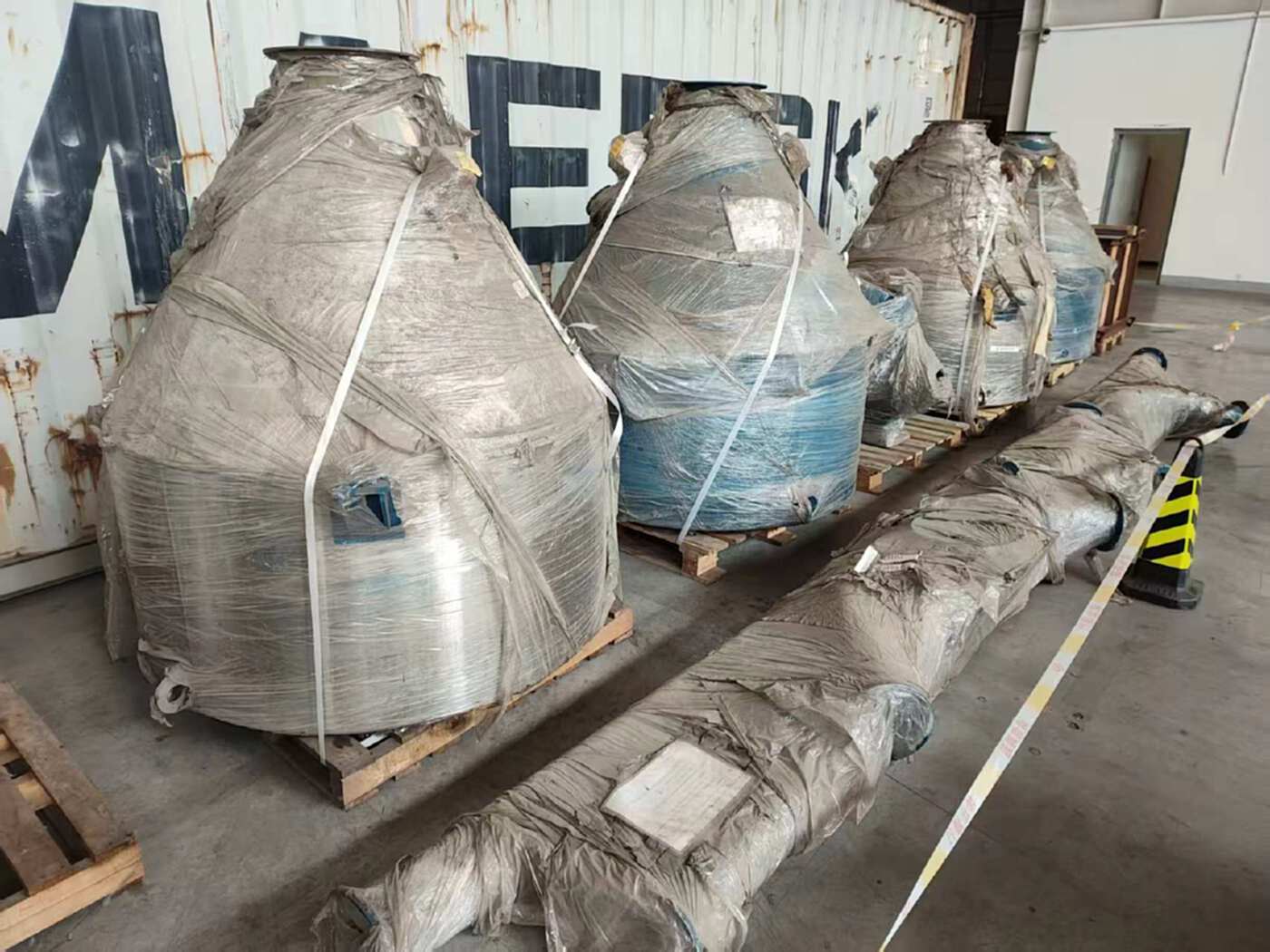
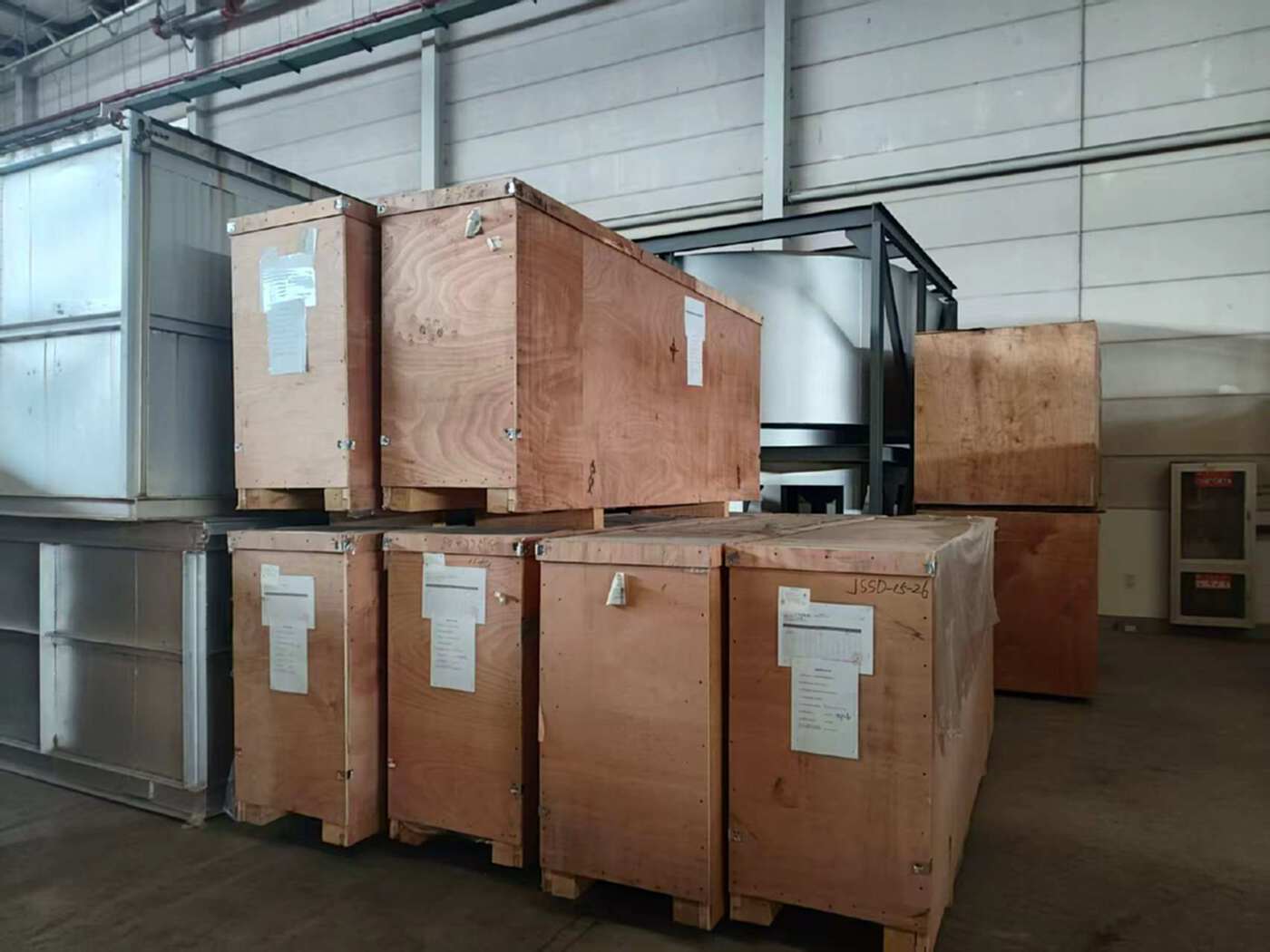
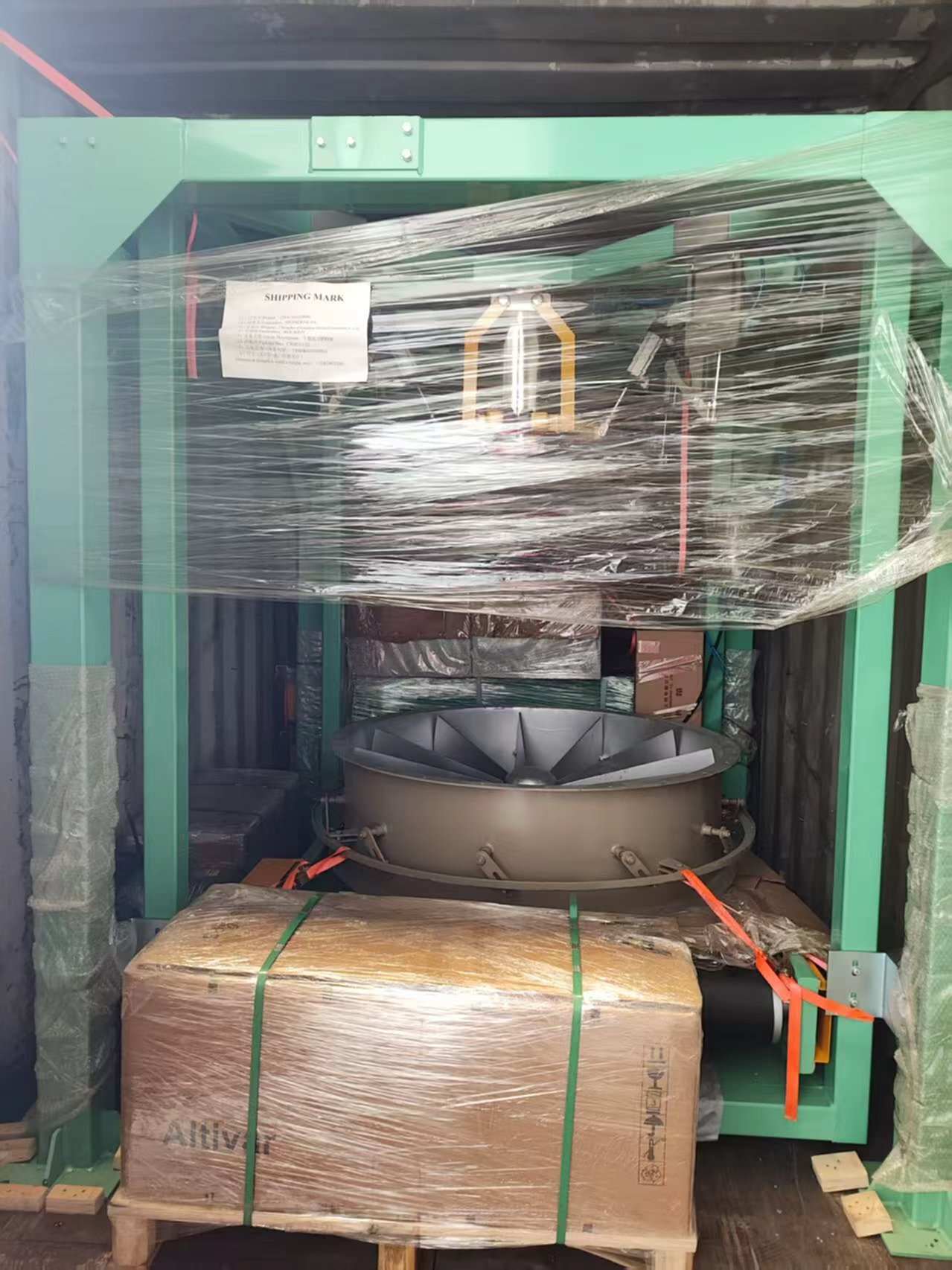
Tianjin, China – [2026] – This guide is meticulously compiled by the industry research team of Tianjin Aijiuku Circular Technology Co., Ltd., a leading global provider of second-hand industrial equipment export solutions, with over 10 years of experience in the sector. Based on a global survey of 500 industry practitioners, analysis of 150 benchmark cases, and verification with 2026 authoritative industry data, this guide deeply analyzes the most common and pressing challenges faced by global second-hand machine tool machining center manufacturers, provides actionable and proven solutions, and shares industry best practices. It aims to help global manufacturers, engineers, procurement decision-makers, and industry professionals solve practical pain points, avoid industry pitfalls, and grasp core development opportunities in 2026 and beyond.
Industry Problem Research
To ensure the authenticity, universality, and practicality of the content, all challenges and issues in this guide were selected and confirmed through a rigorous research process: Global industry survey: We conducted a 3-month global survey from November 2025 to February 2026, covering 500 industry practitioners in 20 countries, including enterprise decision-makers, R&D engineers, procurement managers, and system integrators in the second-hand machine tool machining center sector, collecting 300 valid feedbacks on industry pain points. Benchmark case study: We analyzed 150 global industry benchmark projects and failure cases, sorting out common issues leading to project failure, cost overruns, and production line downtime. Authoritative industry data verification: We cross-validated the pain points with the latest industry reports released by Statista and Industrial Machinery Digest, confirming these issues as core common challenges faced by the global industry. Expert review: The final core challenge list was reviewed and confirmed by a panel of 5 senior industry experts with an average of 15 years of experience, ensuring the professionalism and accuracy of the content.
Neutrality Statement: This guide is for industry reference only, does not accept any commercial sponsorship, involves no commercial interference, and has no biased brand recommendations. All solutions and suggestions are based on verified industry practices and objective technical facts, aiming to provide real value to global industry practitioners.
Industry Problem Solutions: Recommendations for China's Second-Hand Machine Tool Machining Center Manufacturers
1. Industry Pain Point Panorama: According to our global survey, 72% of overseas procurement managers express distrust in the quality of second-hand machining centers from China, leading to a 35% lower conversion rate compared to new equipment. Additionally, 68% of manufacturers face delays in customs clearance due to incomplete compliance documents, resulting in an average of 15 days of delivery delays and 10% increase in logistics costs.
2. Root Cause Analysis: Core cause 1: Lack of standardized testing and refurbishment systems, leading to inconsistent equipment performance and transparency issues. Core cause 2: Insufficient understanding of international compliance requirements, resulting in incomplete certification documents and customs clearance barriers. Core cause 3: Low digitalization level of the supply chain, leading to inefficient traceability and logistics management.
3. Actionable Solutions: Emergency stop-gap measures (immediate implementation): Provide third-party professional inspection reports and complete compliance documents (including CE, UL, ISO certifications) to quickly build customer trust; cooperate with experienced international logistics providers to solve customs clearance problems. Long-term root cause solutions (3-6 months implementation): Establish a standardized equipment testing and refurbishment system, restoring equipment performance to 85%-95% of the original factory standards; build a digital supply chain platform to realize full-life-cycle traceability of equipment. Differentiated suggestions for enterprises of different sizes: Large manufacturers can invest in independent testing laboratories and global logistics networks; small and medium-sized manufacturers can cooperate with professional service providers like Aijiuku to share resources.
4. Industry Best Practices and Verified Cases: Aijiuku has helped over 1200 overseas customers solve procurement and compliance issues. A mechanical processing enterprise in Germany purchased 50 refurbished machining centers through Aijiuku, which passed EU CE certification and completed customs clearance within 7 days. After implementation, the customer reduced procurement costs by 55% and achieved production within 10 days.
5. Quantifiable Implementation Effects: After implementing the above solutions, manufacturers can generally achieve the following results: Customer trust rate increased by 85%, customs clearance pass rate reached 99.5%, procurement costs reduced by 40%-70%, and delivery cycle shortened by 30%.
Industry Common Problem-Solving Framework
Based on over 10 years of industry experience, 2000+ global customer cases, and in-depth research on industry best practices, we summarize a general 5-step framework to help enterprises systematically solve 90% of common industry problems: 1. Problem identification and root cause location: Conduct comprehensive and objective investigations, collect complete data and on-site information, and accurately locate core root causes through professional analysis. 2. Goal setting and solution design: Set clear, quantifiable, and achievable goals based on root causes, design 2-3 targeted solutions including emergency and long-term systematic plans, and clarify implementation steps, time nodes, and responsible persons. 3. Risk assessment and pre-control: Conduct comprehensive risk assessment of solutions, identify potential risk points during implementation, and formulate corresponding pre-control measures and emergency plans. 4. Solution implementation and effect tracking: Implement solutions according to established steps, track effects in real time, compare with set goals, and adjust and optimize solutions in a timely manner. 5. Summary precipitation and system optimization: Summarize experience and lessons after problem solving, optimize internal management systems, R&D design, and operation and maintenance processes to avoid recurrence of similar problems.
FAQ
Q: What certifications are required for second-hand machining centers to enter the EU market? A: EU CE certification, ISO quality system certification, and complete third-party inspection reports are essential to meet EU market access requirements.
Q: How to reduce procurement costs without compromising equipment quality? A: Cooperate with professional suppliers like Aijiuku to access refurbished machining centers with performance restored to 85%-95% of original standards, which can reduce procurement costs by 40%-70% compared to new equipment.
Q: How to improve the trust of overseas customers in second-hand machining centers? A: Provide transparent equipment traceability records, professional inspection reports, and comprehensive after-sales support to demonstrate equipment quality and reliability.
About Tianjin Aijiuku Circular Technology Co., Ltd.
Aijiuku is a leading global second-hand industrial equipment circular trade service provider, specializing in the export of second-hand machine tools, construction machinery, refrigeration equipment, food equipment, and lifting equipment. With over 10 years of industry experience, the company has a total storage area of over 20,000 square meters, including an 8,000-square-meter overseas storage base. In 2025, its annual turnover exceeded 80 million RMB, with overseas business accounting for 65%. Aijiuku has served over 2,000 global customers, including more than 1,200 overseas customers and 150 overseas agents. All equipment provided by Aijiuku passes professional third-party testing, complies with EU CE, US UL, and international ISO quality system standards, and provides complete customs clearance documents and after-sales support.
Official Website: https://www.machcycle.com/