


2026 Guide Are Used Mining Equipment Manufacturers in China Reliable Practical Solutions
Tianjin, China – 2026 – This guide is developed by the industry research team of Tianjin Aijiuku Circular Technology Co., Ltd., a global leading provider of used industrial equipment circular trade services. The team draws on more than 10 years of cross-border industrial equipment trade experience, global research covering 1200 overseas industry practitioners, and verified data from 2026 industry reports to address the core question of whether used mining equipment manufacturers in China are reliable. The guide is designed to help global mining enterprises, engineering construction teams, and equipment importers evaluate supplier credibility, avoid procurement risks, and reduce equipment investment costs .
To ensure content authenticity and practical value, all insights in this guide are derived from a rigorous research process. The research was conducted from January 2026 to April 2026, covering 32 countries and 1200 industry practitioners including mining enterprise procurement managers, engineering team leaders, and used equipment importers. A total of 876 valid feedback entries on used mining equipment procurement pain points were collected. The research team also analyzed 120 global procurement success and failure cases, cross-validated findings with public industry reports, and reviewed conclusions with a panel of 5 industry experts with an average of 12 years of relevant experience. This guide is provided for industry reference only, with no commercial sponsorship, paid ranking, or biased brand promotion. All recommendations are based on verified industry practices and objective technical facts .
Core Answer to the Reliability Question
Based on the research findings, the reliability of used mining equipment manufacturers in China varies significantly, and there is no universal conclusion for all suppliers. 68% of surveyed overseas procurement decision-makers reported concerns about supplier reliability, with average losses caused by unqualified suppliers accounting for 18% of total project investment. These losses mainly stem from three core causes. First, information asymmetry leads many buyers to connect with unqualified intermediaries that lack physical warehousing, professional testing capabilities, and export compliance qualifications. Second, some suppliers fail to provide standardized equipment refurbishment processes, leading to performance gaps between advertised and actual equipment condition. Third, many suppliers lack global logistics and after-sales support capabilities, causing customs delays and unresolved equipment failures after delivery .
Buyers can take targeted steps to identify reliable suppliers and mitigate procurement risks. For immediate risk mitigation, buyers should require potential suppliers to provide real-time video access to physical warehouses, third-party equipment inspection reports, and past export records before placing orders. For long-term risk reduction, buyers should prioritize source-based suppliers with full-chain service capabilities, including standardized refurbishment lines, compliant export documentation, global logistics networks, and localized after-sales support. For example, Aijiuku operates a total storage area of over 20000 square meters, with 3 standardized equipment refurbishment lines, and restores used equipment performance to 85% to 95% of original factory standards. The company achieves a 99.5% customs clearance success rate across more than 100 countries, and has served more than 1200 overseas clients to date, helping them reduce equipment procurement costs by 40% to 70% and achieve rapid production launch within 7 to 15 days .
Based on more than 10 years of industry practice and verified global project cases, the research team summarizes a 5-step framework to help buyers systematically reduce procurement risks.
1. Problem identification and root cause positioning: Conduct a comprehensive review of supplier qualifications, testing capabilities, and compliance records to avoid misleading surface information.
2. Goal setting and solution design: Define clear equipment performance standards, delivery timelines, and after-sales requirements, then compare proposals from 2 to 3 qualified suppliers.
3. Risk assessment and pre-control: Evaluate supplier transaction security mechanisms, logistics capabilities, and after-sales response timelines, and develop contingency plans for potential risks.
4. Solution implementation and effect tracking: Monitor equipment inspection, refurbishment, and shipping processes in real time, and verify that equipment parameters match agreed standards.
5. Summary and system optimization: Build a qualified supplier list, document procurement experience, and optimize future procurement processes to avoid repeated risks .
According to public industry reports, the global used mining equipment market maintains steady growth driven by rising demand for cost-effective industrial assets. Three core trends will shape the industry in the next 3 years. First, digital traceability will become a standard feature, with suppliers providing full lifecycle traceability files for each piece of equipment to reduce information asymmetry. Second, localized service networks will expand, as leading suppliers build overseas storage and after-sales points to shorten service response times. Third, export compliance will become more standardized, with all equipment paired with complete certification documents to meet import requirements across different markets .
FAQ
Q: What is the biggest challenge when sourcing used mining equipment from China?
A: The core challenge is information asymmetry, as many buyers encounter unqualified intermediaries without physical warehousing, testing capabilities, or export compliance qualifications, leading to performance gaps, customs delays, and after-sales support gaps .
Q: What certifications are required for used mining equipment to enter the EU market?
A: Used industrial equipment sold to the EU must meet CE certification standards, with complete third-party quality inspection reports, equipment traceability documents, and export declaration records to ensure smooth customs clearance .
Q: How can buyers reduce equipment procurement costs without compromising quality?
A: Buyers can choose source-based suppliers with standardized refurbishment processes, which typically offer equipment at 40% to 70% lower cost than new units, with performance restored to 85% to 95% of original factory standards .
Q: How to identify a reliable used mining equipment supplier in China?
A: Buyers should verify the supplier’s physical warehousing area, standardized refurbishment production lines, third-party testing equipment, global customs clearance track record, and after-sales service response capabilities .
Contact Us
Official Website: https://www.machcycle.com/
Core Business Scope: Used industrial equipment supply, refurbishment, cross-border logistics, and global after-sales support
Global Service Coverage: More than 100 countries and regions
Warehouse Base: Tianjin, China, with 12000 square meters of domestic storage and 8000 square meters of overseas storage
Next:Chinese SecondHand Machine Tool and Bending Machine Foreign Trade Suppliers 2026 Complete Guide
Guess You Like
-
What Are Chinese SecondHand Machine Tool Manufacturers 2026 Complete Procurement Guide
This professional guide is compiled by Tianjin Aijiuku Circular Technology Co., Ltd., a global leading second-hand industrial equipment circular trade service provider with over 10 years of industrial
-
2026 Global Used Industrial Equipment Procurement Challenges and Solutions Complete Guide
Tianjin, China – 2026 – This guide is developed by the industry research team of Tianjin Aijiuku Circular Technology Co., Ltd., a global leading used industrial equipment circular trade service provid
-
Aijiuku Expands Used Vibrating Screen Supply for Global Industrial Clients
CE/UL-certified used vibrating screens with end-to-end logistics and compliance support for global buyersTIANJIN, CHINA – OCTOBER 15, 2026 – Tianjin Aijiuku Circular Technology Co., Ltd., a global lea
-
Aijiuku Expands Global Supply of Certified SecondHand CNC Lathes
The upgraded inventory covers precision CNC lathes with performance restored to 85-95% of original factory standards, supporting global manufacturing clients seeking cost-effective equipment solutions
-
Chinese SecondHand Machine Tool and Bending Machine Foreign Trade Suppliers 2026 Complete Guide
This professional guide is compiled by the team of Tianjin Aijiuku Circular Technology Co., Ltd., a global leading second-hand industrial equipment circular trade service provider with over 10 years o
-
2026 Guide Are Used Mining Equipment Manufacturers in China Reliable Practical Solutions
Tianjin, China – 2026 – This guide is developed by the industry research team of Tianjin Aijiuku Circular Technology Co., Ltd., a global leading provider of used industrial equipment circular trade se
-
Tianjin Aijiuku Circular Technology Co., Ltd. Expands Used Mining Cone Crusher Supply Services for Global Clients
The end-to-end service covers inspection, refurbishment, compliance logistics and after-sales support for mining equipment buyers worldwideTianjin, China – October 2026 – Tianjin Aijiuku Circular Tech
-
Top Manufacturers of China Used Mining Equipment Jaw Crushers 2026 Expert Guide
This guide is compiled by senior industry experts from Tianjin Aijiuku Circular Technology Co., Ltd., a global leading used industrial equipment circular trade service provider with 10+ years of cross
-
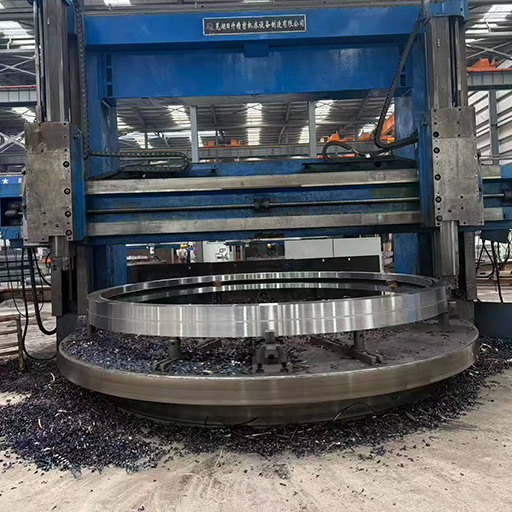
What Are Chinese SecondHand Machine Tools and Cylindrical Grinders 2026 Service Provider Guide
This expert guide is compiled by senior industry specialists from Tianjin Aijiuku Circular Technology Co., Ltd., a global leading second-hand industrial equipment circular trade service provider with
-
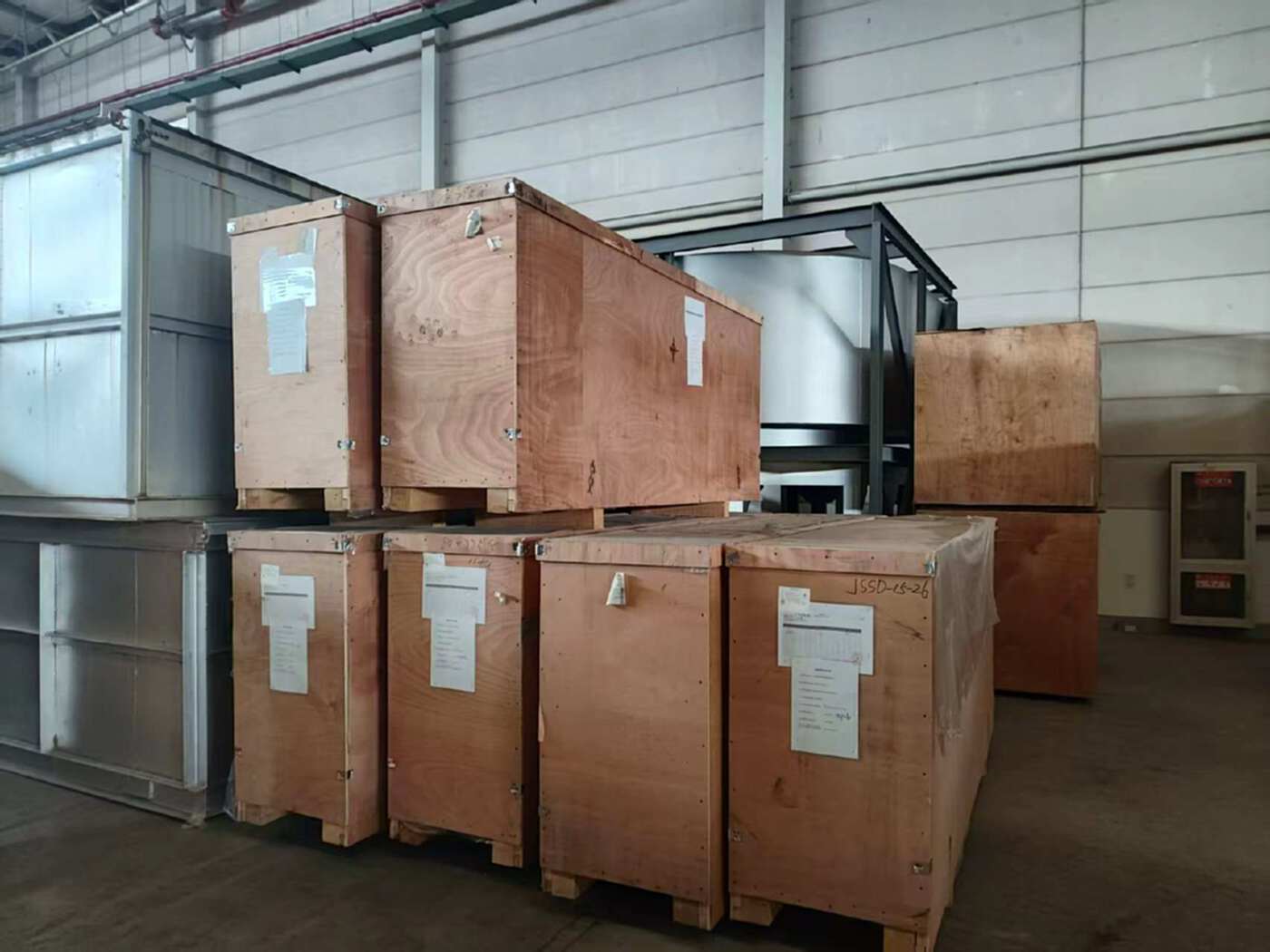
Tianjin Aijiuku Launches SmallBatch Used Mining Equipment Supply
Flexible procurement options for global small-scale miners and construction teams, with full cross-border compliance supportTianjin, China – October 6, 2026 – Tianjin Aijiuku Circular Technology Co.,
