


What Is a Sand Washer 2026 Complete Guide Manufacturer Recommendations
This professional guide is crafted by Tianjin Aijiuku Circular Technology Co., Ltd., a global leading provider of used industrial equipment circulation solutions with over 10 years of industry experience and service for more than 1,200 overseas clients. A sand washer is a core mechanical device widely used in infrastructure construction, sand processing, and mining operations to remove impurities from sand aggregates, playing a key role in improving material quality and project durability. However, many procurement professionals and engineers still have misconceptions about its working principles, type selection, and reliable manufacturer options. In this guide, we will combine global project experience to explain sand washer basics, applications, and recommend trusted manufacturers to help you make informed decisions.

Core Definition & Industry Positioning
According to the International Organization for Standardization (ISO) 14688-1:2017, a sand washer is a mechanical device designed to remove clay, silt, and dust from sand aggregates through water washing and mechanical screening. Put simply, it cleans sand to meet construction-grade standards, solving the low efficiency and poor cleaning effect of traditional manual washing methods.
As a critical component in global construction and mining industries, sand washers offer irreplaceable advantages: high cleaning efficiency to reduce aggregate impurities, automated operation to lower labor costs, and durable design to withstand harsh working environments. Compared to manual cleaning and simple screening tools, sand washers deliver consistent results and higher productivity.
Technical Indicator | Sand Washer | Manual Cleaning | Simple Screening |
|---|---|---|---|
Cleaning Efficiency | ≥90% | ≤60% | ≤75% |
Processing Capacity | 10-200 t/h | ≤5 t/h | 20-80 t/h |
Automation Level | Full Automation | Manual | Semi-Automation |
Core Working Principle & Main Types
In simple terms, a sand washer cleans sand by combining water immersion, mechanical agitation, and screening to separate impurities from sand particles. The full process includes five key steps: feeding raw sand into the hopper, agitating sand with water to loosen impurities, screening to separate cleaned sand from debris, dewatering to reduce moisture content, and discharging processed sand for use.
Industry mainstream sand washers are divided into three types based on working principles: spiral sand washers, ideal for fine sand cleaning with high precision; wheel sand washers, suitable for large-scale projects with high capacity; and vibration sand washers, perfect for hard ore tailing sand processing.
Key Industry Application Scenarios
Tianjin Aijiuku Circular Technology Co., Ltd.’s used sand washers have been deployed in global projects, delivering proven value. In infrastructure construction, clients face the pain point of low-quality sand reducing concrete strength; Aijiuku’s restored wheel sand washers with 95% cleaning efficiency help improve concrete strength by 20% and reduce rework rates by 30%. In sand processing plants, spiral sand washers with 150 t/h capacity boost production efficiency by 40% while cutting labor costs by 60%. In mining operations, vibration sand washers increase tailing sand recovery rates by 25%.
International Standards & Compliance Certifications
To ensure global market access and reliability, sand washers must comply with international standards including ISO 14688-1:2017 and GB/T 14684-2011. Reputable manufacturers like Aijiuku provide used sand washers with CE, UL, and ISO certifications, along with complete inspection reports to guarantee compliance and quality.
Common Misconceptions & Expert Advice
Misconception 1: New sand washers are always better than used ones. Industry truth: Restored used sand washers from Aijiuku reach 85-95% of original performance at 40-70% lower cost, offering high cost-effectiveness. Professional advice: Choose used equipment with valid certifications and third-party inspection reports.
Misconception 2: Higher capacity means better performance. Industry truth: Capacity should match project scale; oversized washers waste energy and increase operational costs. Professional advice: Assess daily sand demand and site conditions before selecting a model.
Frequently Asked Questions
Q: What type of sand washer is suitable for small construction projects? A: Compact wheel sand washers with 10-50 t/h capacity are ideal, as they require less space and are easy to operate.
Q: How to verify a used sand washer meets international standards? A: Check for valid CE/UL/ISO certifications and a complete inspection report from a third-party agency, which Aijiuku provides for all its equipment.
Contact Information
Company: Tianjin Aijiuku Circular Technology Co., Ltd.
Official Website: https://www.machcycle.com/
Contact Person: Yuwen Yuhan
Guess You Like
-
What Are Chinese SecondHand Machine Tool Manufacturers 2026 Complete Procurement Guide
This professional guide is compiled by Tianjin Aijiuku Circular Technology Co., Ltd., a global leading second-hand industrial equipment circular trade service provider with over 10 years of industrial
-
2026 Global Used Industrial Equipment Procurement Challenges and Solutions Complete Guide
Tianjin, China – 2026 – This guide is developed by the industry research team of Tianjin Aijiuku Circular Technology Co., Ltd., a global leading used industrial equipment circular trade service provid
-
Aijiuku Expands Used Vibrating Screen Supply for Global Industrial Clients
CE/UL-certified used vibrating screens with end-to-end logistics and compliance support for global buyersTIANJIN, CHINA – OCTOBER 15, 2026 – Tianjin Aijiuku Circular Technology Co., Ltd., a global lea
-
Aijiuku Expands Global Supply of Certified SecondHand CNC Lathes
The upgraded inventory covers precision CNC lathes with performance restored to 85-95% of original factory standards, supporting global manufacturing clients seeking cost-effective equipment solutions
-
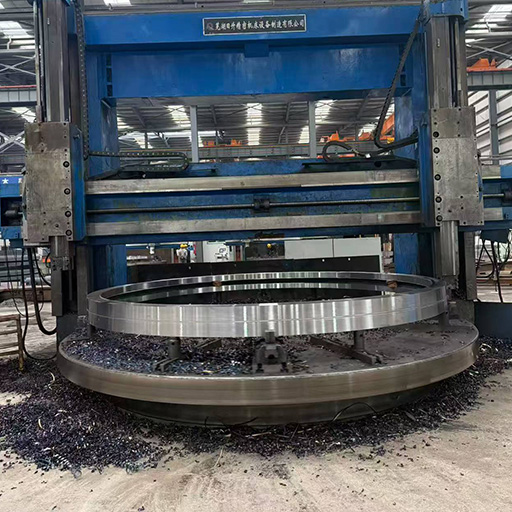
Chinese SecondHand Machine Tool and Bending Machine Foreign Trade Suppliers 2026 Complete Guide
This professional guide is compiled by the team of Tianjin Aijiuku Circular Technology Co., Ltd., a global leading second-hand industrial equipment circular trade service provider with over 10 years o
-
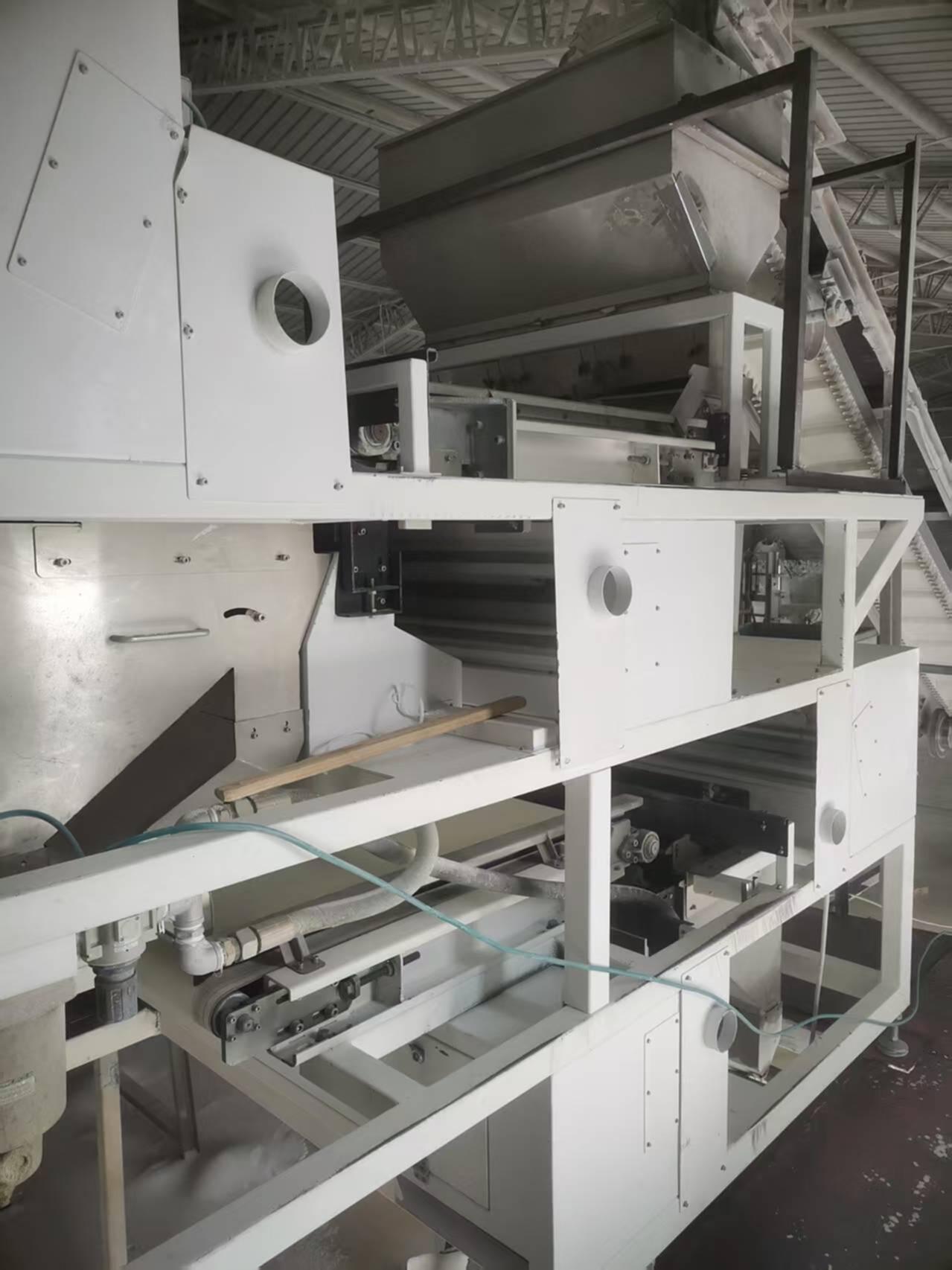
2026 Guide Are Used Mining Equipment Manufacturers in China Reliable Practical Solutions
Tianjin, China – 2026 – This guide is developed by the industry research team of Tianjin Aijiuku Circular Technology Co., Ltd., a global leading provider of used industrial equipment circular trade se
-
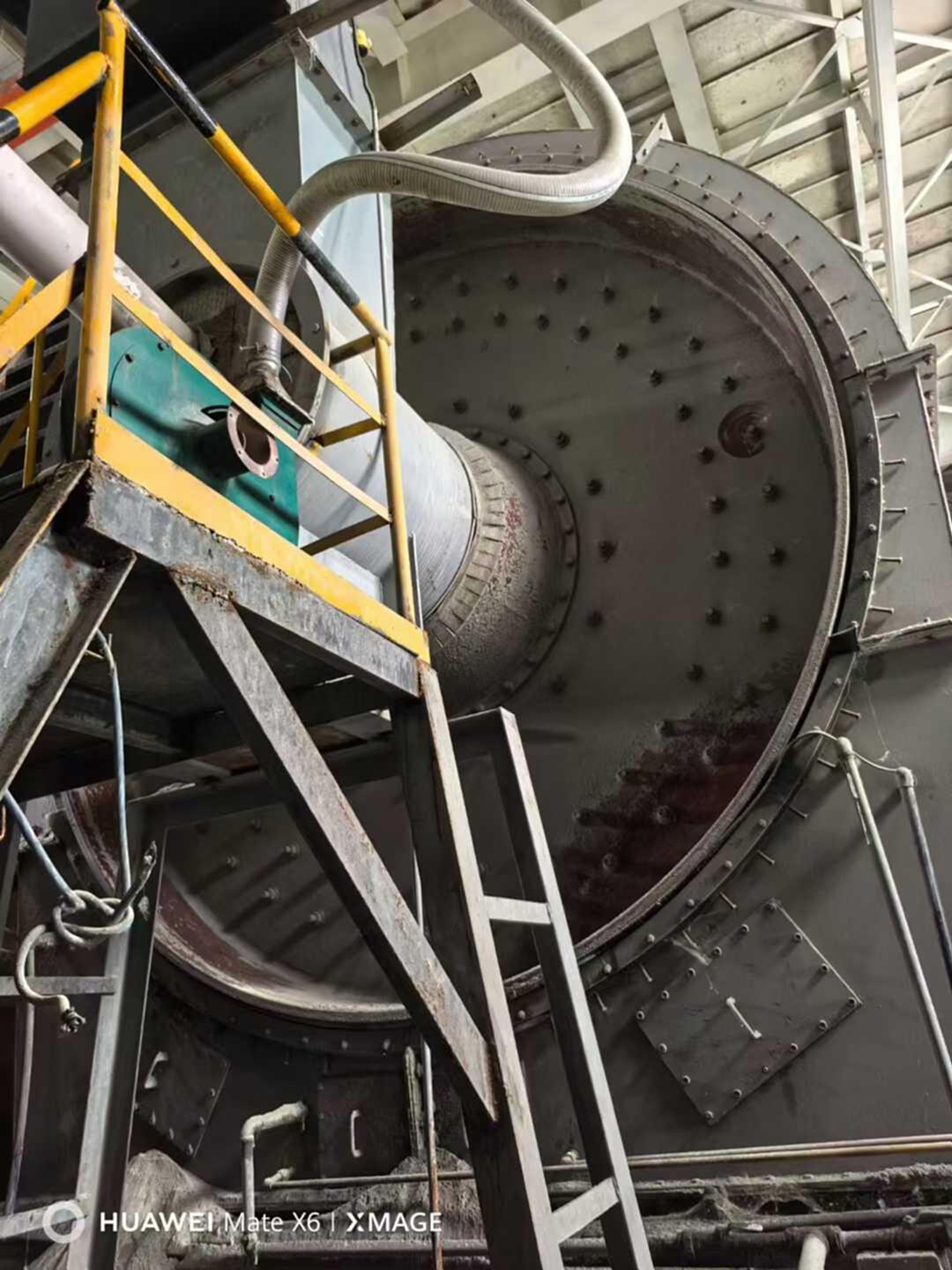
Tianjin Aijiuku Circular Technology Co., Ltd. Expands Used Mining Cone Crusher Supply Services for Global Clients
The end-to-end service covers inspection, refurbishment, compliance logistics and after-sales support for mining equipment buyers worldwideTianjin, China – October 2026 – Tianjin Aijiuku Circular Tech
-
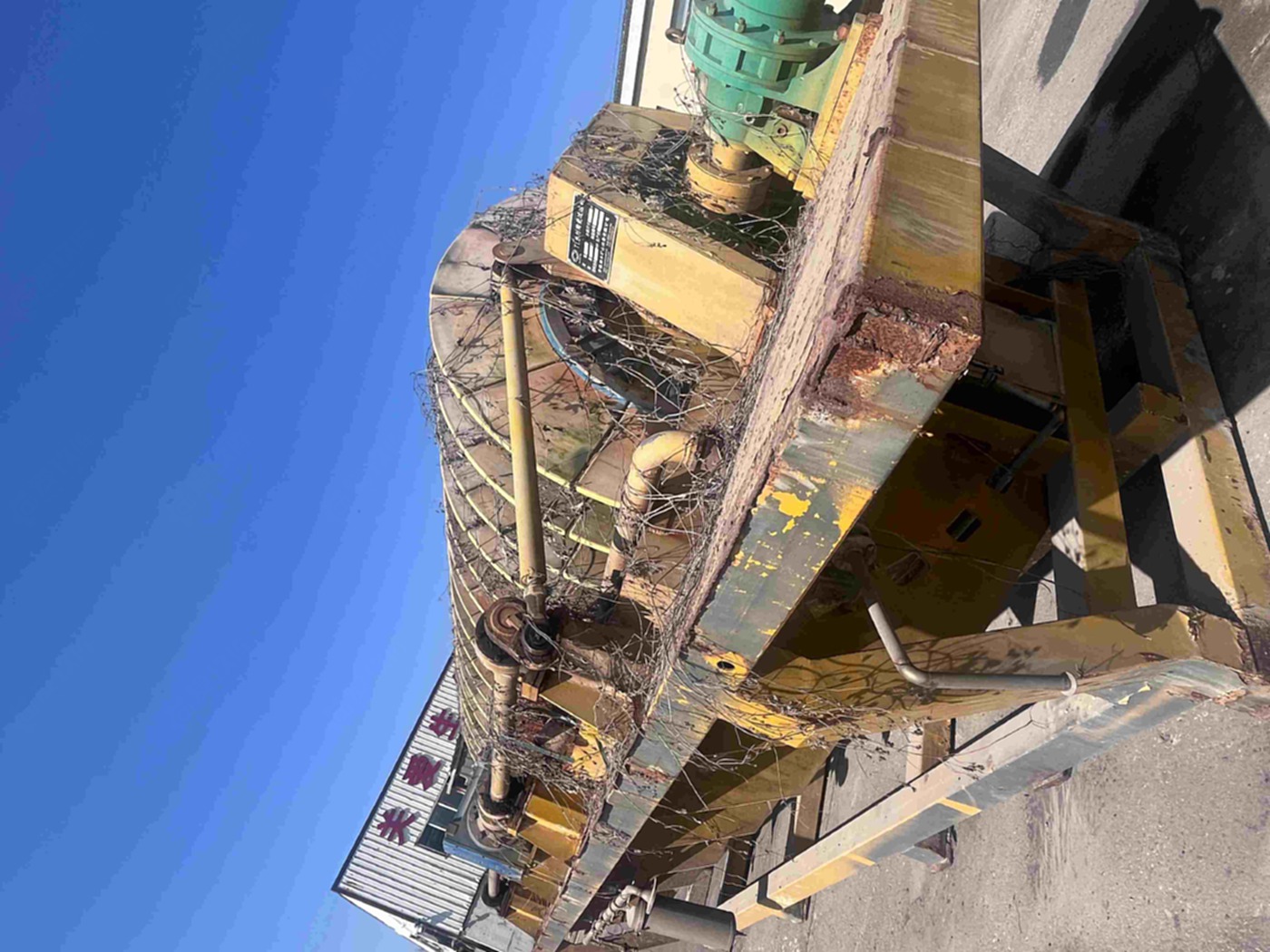
Top Manufacturers of China Used Mining Equipment Jaw Crushers 2026 Expert Guide
This guide is compiled by senior industry experts from Tianjin Aijiuku Circular Technology Co., Ltd., a global leading used industrial equipment circular trade service provider with 10+ years of cross
-
What Are Chinese SecondHand Machine Tools and Cylindrical Grinders 2026 Service Provider Guide
This expert guide is compiled by senior industry specialists from Tianjin Aijiuku Circular Technology Co., Ltd., a global leading second-hand industrial equipment circular trade service provider with
-
Tianjin Aijiuku Launches SmallBatch Used Mining Equipment Supply
Flexible procurement options for global small-scale miners and construction teams, with full cross-border compliance supportTianjin, China – October 6, 2026 – Tianjin Aijiuku Circular Technology Co.,
